METHODS ON HOW TO WRITE E-MAILS AND LETTERS EFFECTIVELY IN DIFFERENT PURPOSES AND SITUATION
DOI:
https://doi.org/10.2024/4drj2n50Keywords:
clarity, conciseness, politeness, structure, tone, purpose, formality, grammar, relevance, courtesy, complaint letterAbstract
Crafting a message to an instructor, advisor, or university administrator is often most impactful through a well-written letter or email. This guidance aims to assist you in composing an effective communication, providing tips on proper etiquette when reaching out to professors, advisors, or other university faculty or staff.
References
Winker MA, Fontanarosa PB. Letters: a forum for scientific discourse. Jama. 1999;281:1543.
https://www.lettersfree.com, 2020
Dotson B. Writing a letter to the editor. Am J Health Syst Pharm. 2013;70:96–7.
The LIGO Scientific Collaboration. Nat. Phys. 7, 962–965 (2011).
Downloads
Published
2024-02-21
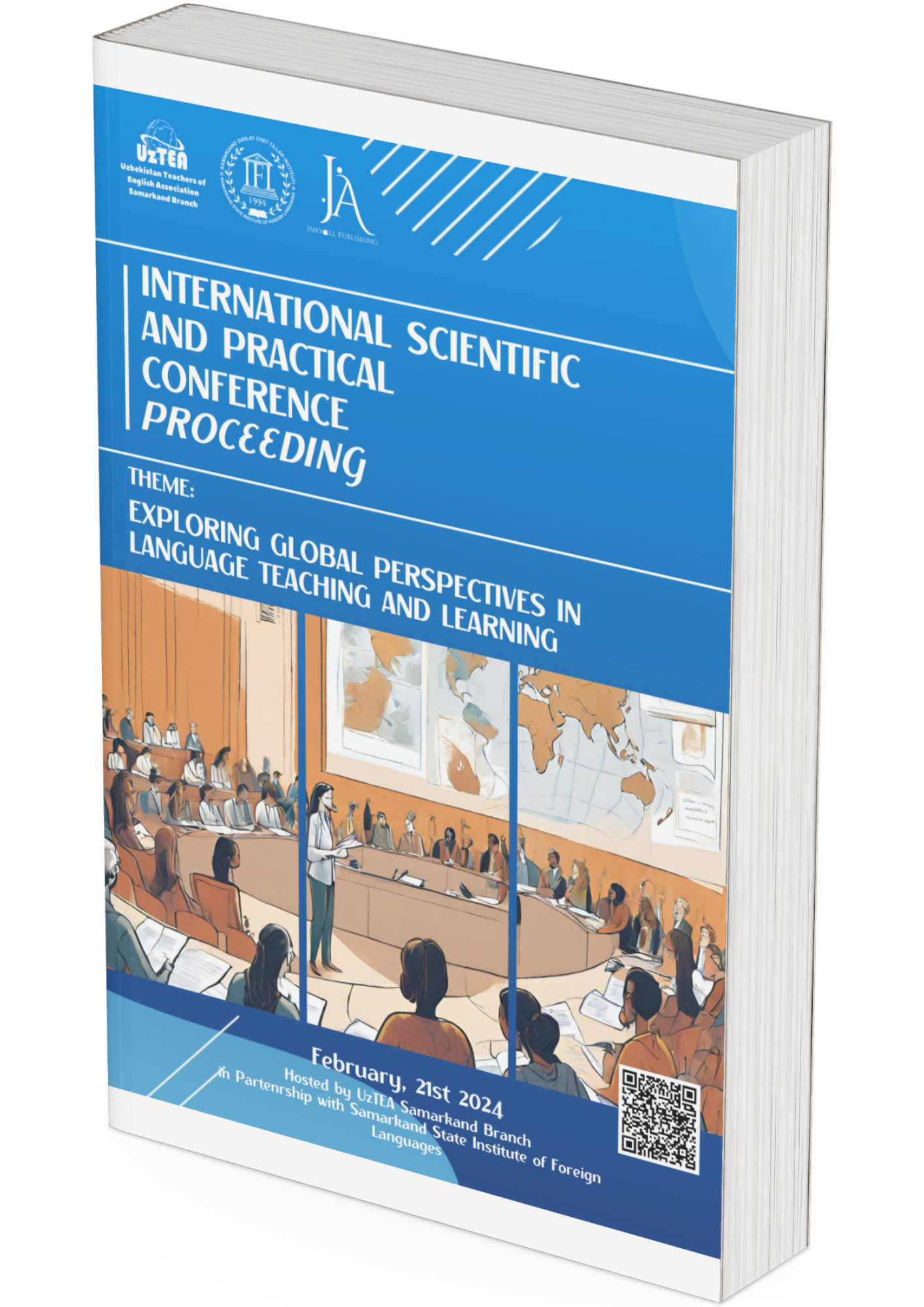
Conference Proceedings Volume
Section
Articles
License
Copyright (c) 2024 O‘lmas Mansurov (Author)

This work is licensed under a Creative Commons Attribution 4.0 International License.
How to Cite
Mansurov, O. (2024). METHODS ON HOW TO WRITE E-MAILS AND LETTERS EFFECTIVELY IN DIFFERENT PURPOSES AND SITUATION. Conference Proceedings: Fostering Your Research Spirit, 563-564. https://doi.org/10.2024/4drj2n50